The last few days I’ve been learning more about Fusion 360 and how it is the software of choice as I get into the 3D realm.
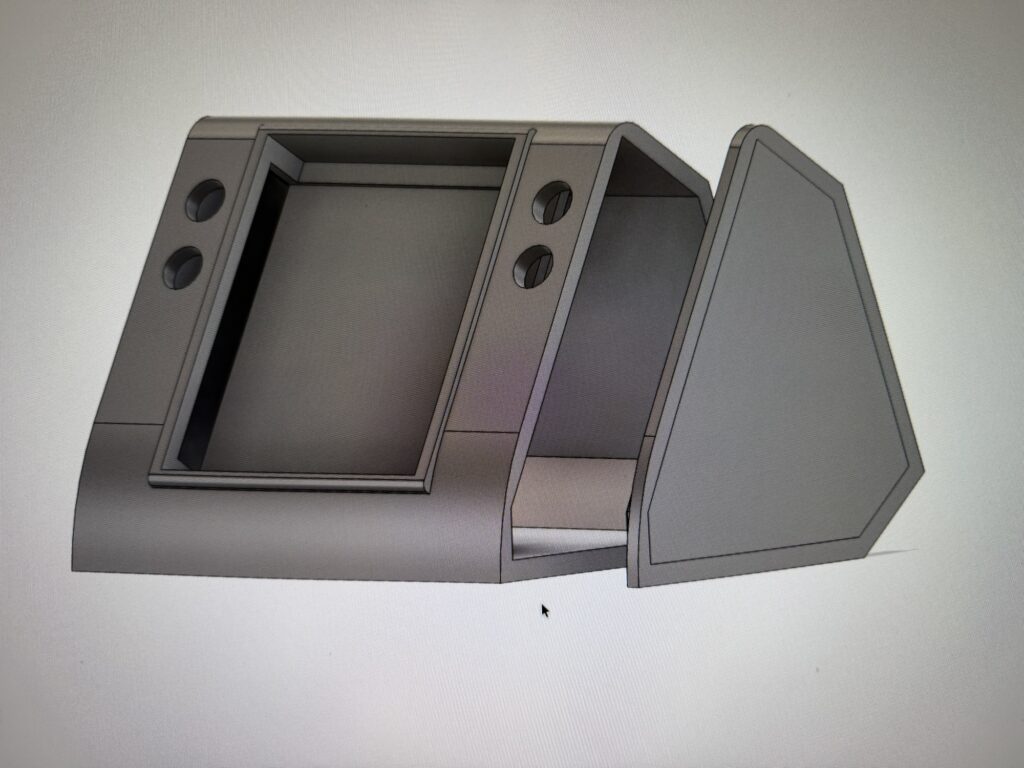
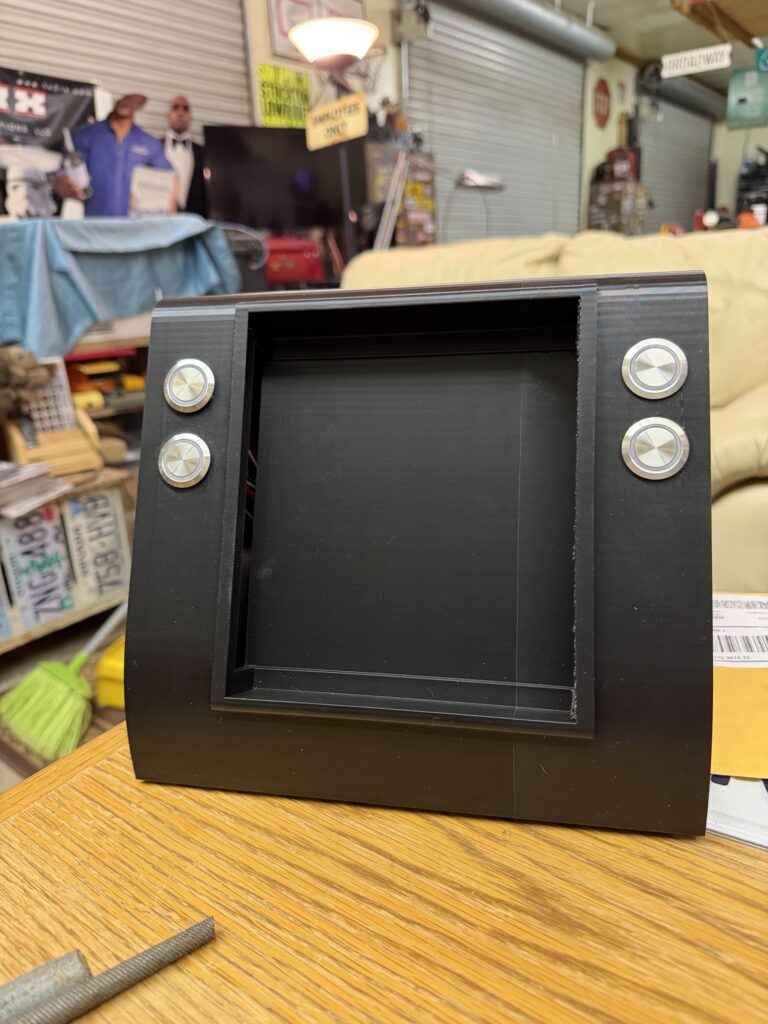
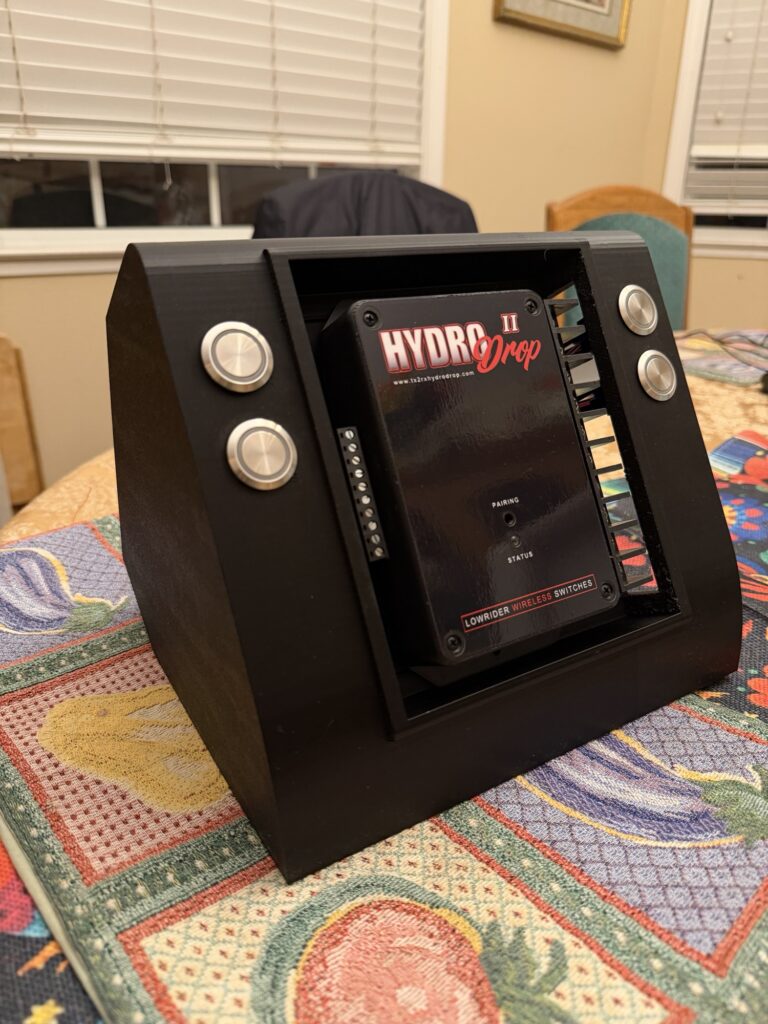
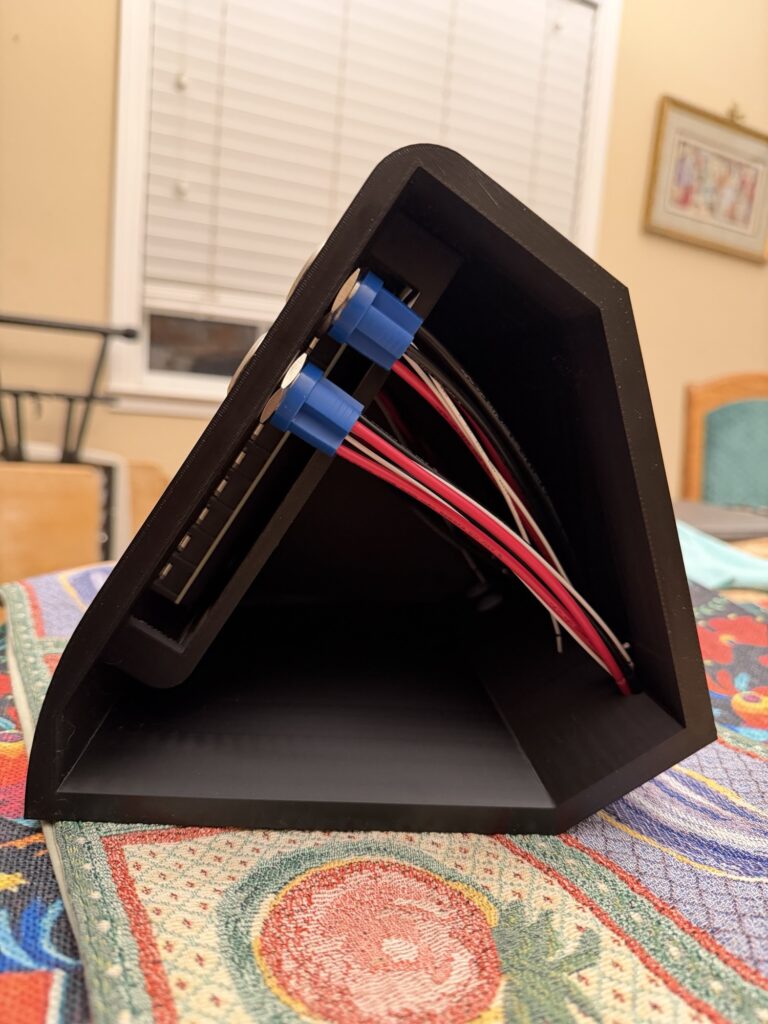
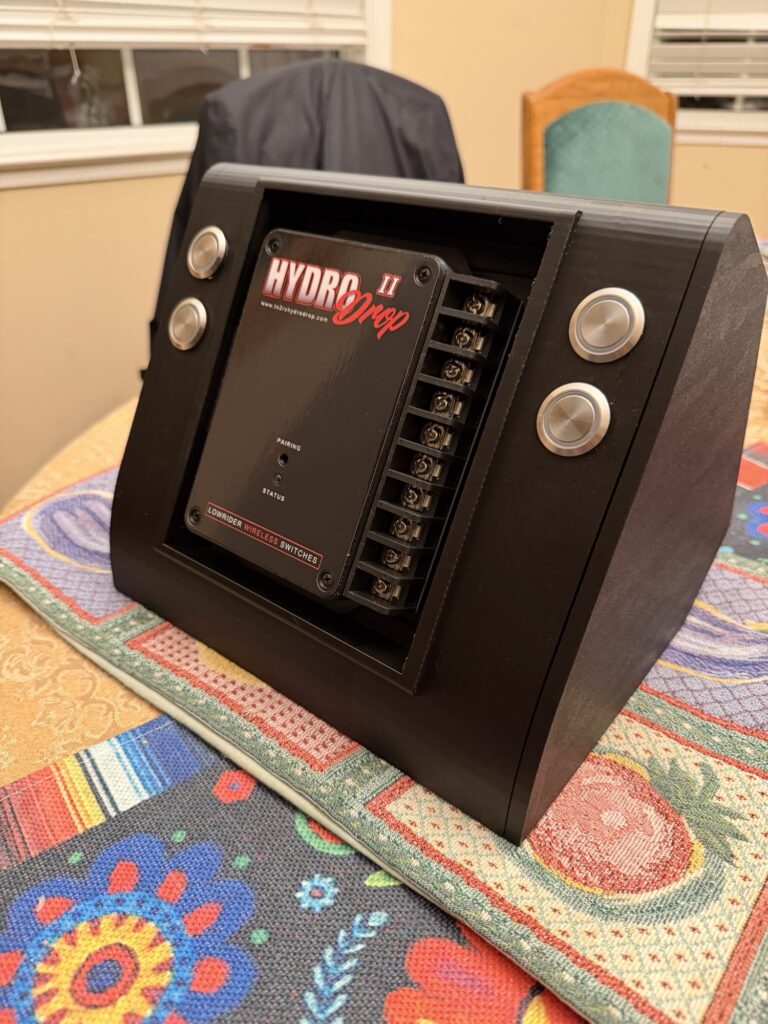
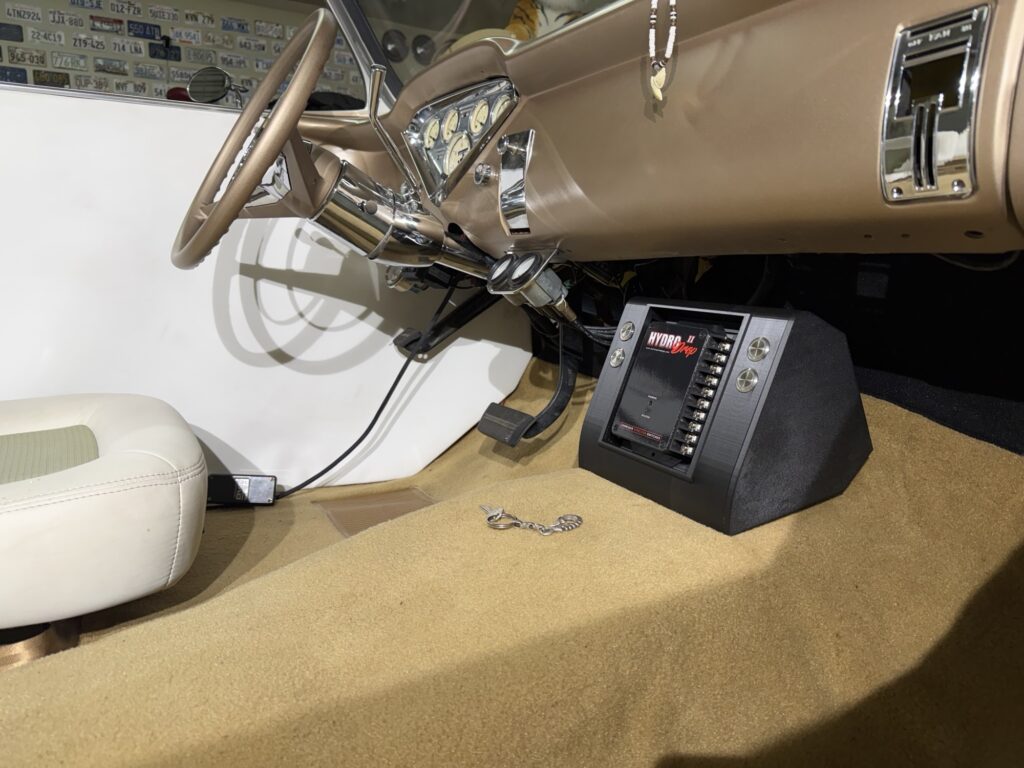
The latest revision has 4 latching buttons with LED rings. These will control key air ride components.
The last few days I’ve been learning more about Fusion 360 and how it is the software of choice as I get into the 3D realm.
The latest revision has 4 latching buttons with LED rings. These will control key air ride components.
One of the key factors for getting a vehicle with an air ride was the ability to create a demo ride with HydroDrop II Air Ride.
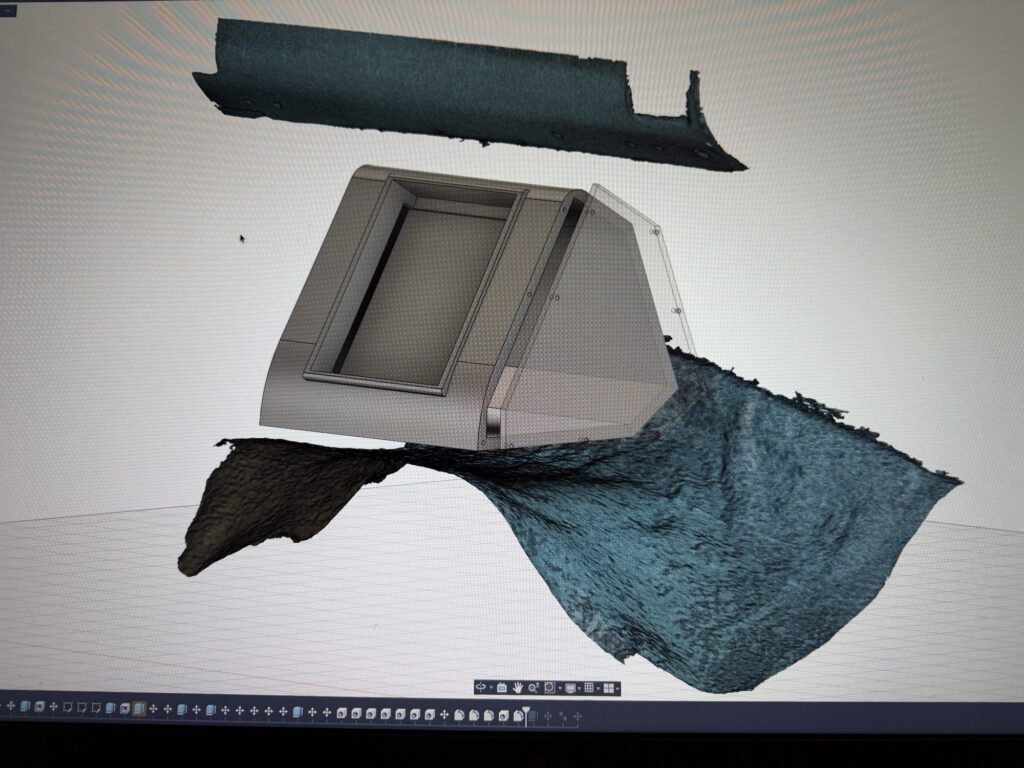
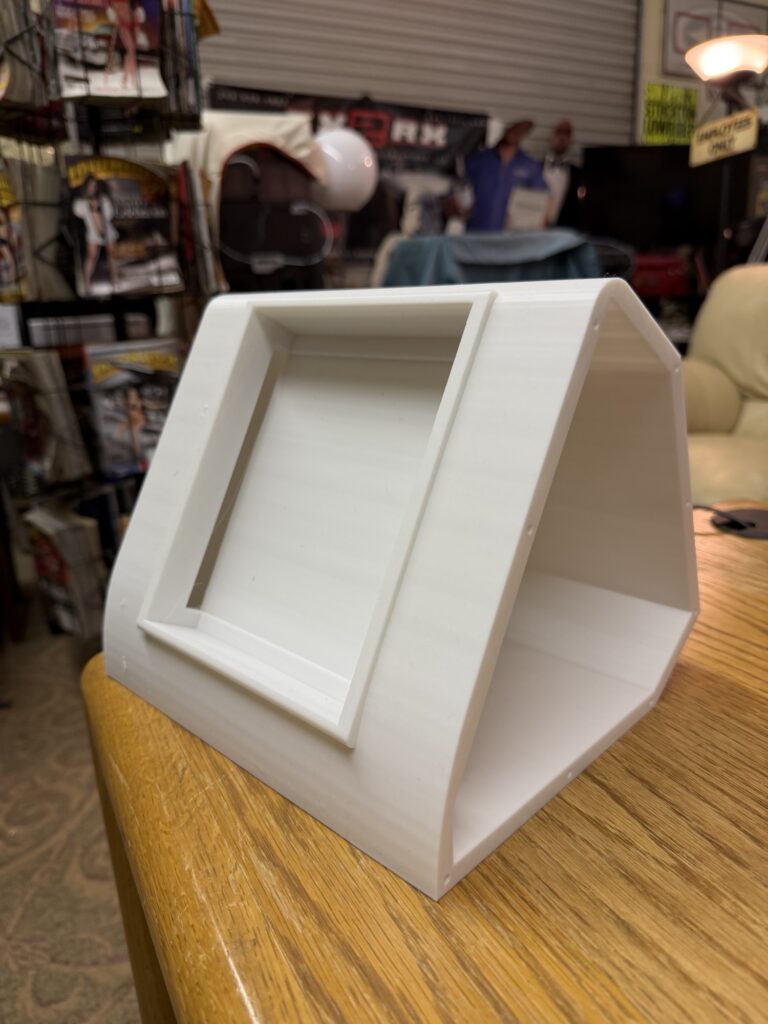
The idea is to have a small console that I could mount HydroDrop II into without taking much space.
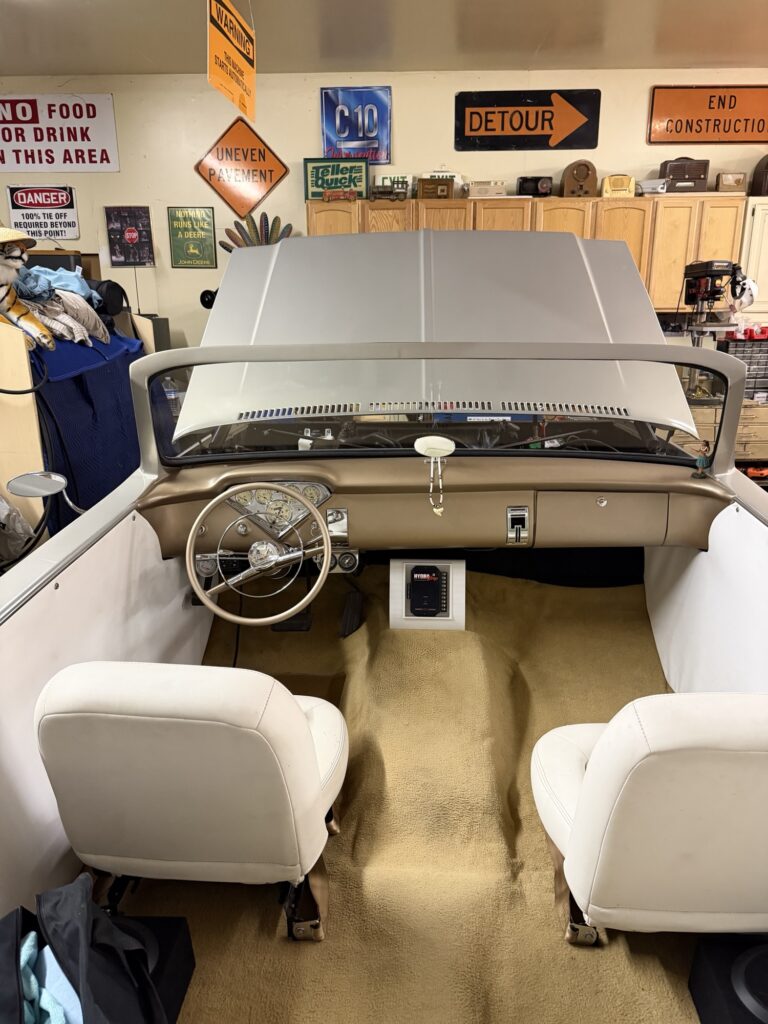
I’ve been trying to come up with a center console for the Blazer. I’m not 100% sold on the idea of having a larger console on the top of the tranny hump. It may get in the way of me entering and exiting the drivers seat.
I decided to add music to the Blazer. This system will not be bass bumping, more of a stock stereo sound of that era but using modern technology. It will not have a radio but I can Bluetooth streaming stations using my iPhone app like Sirius XM satellite service which I already subscribe to.
We just need something to listen while cruising around. My Apple Music library is large enough to have a good variety of jams.
The basic setup consist of a Kicker Controller, Crunch compact four channel amplifier and a pair of Fosgate four way 6×9 speaker housed in speaker boxes.
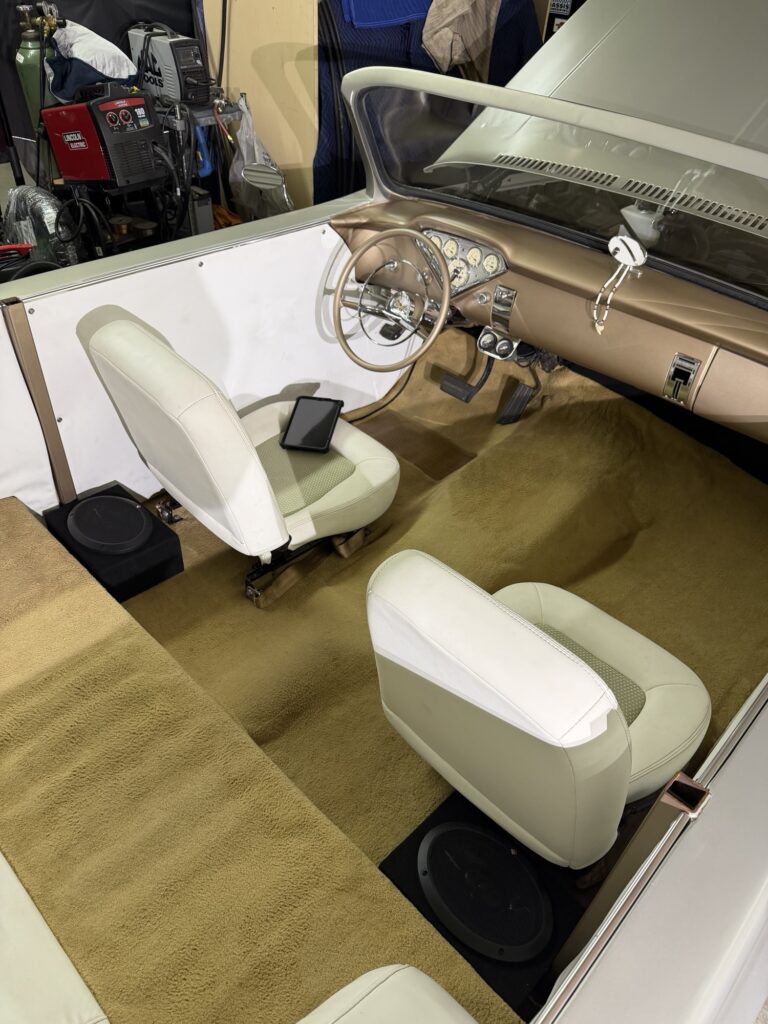
The system setup requires a separate audio source since no deck is being used to keep the interior dash clean.
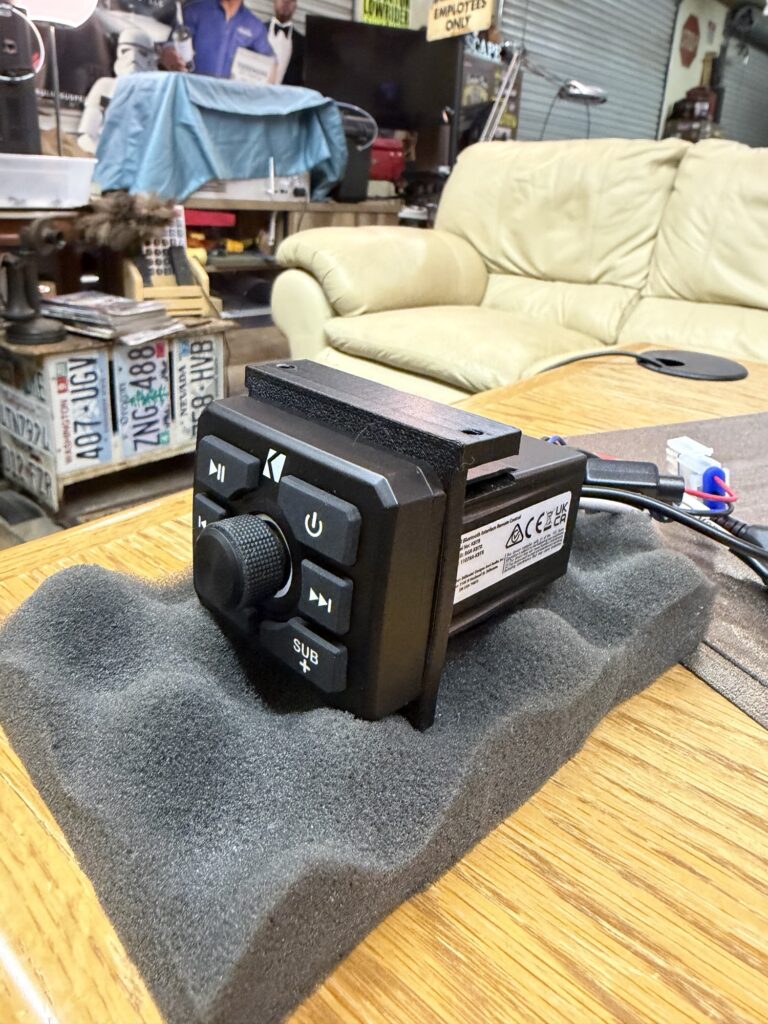
The Kicker 51KBTR module connects via Bluetooth to the audio source. I’m using an iPad mini for my music source. It does have the option to play media using a standard USB-A flash drive.
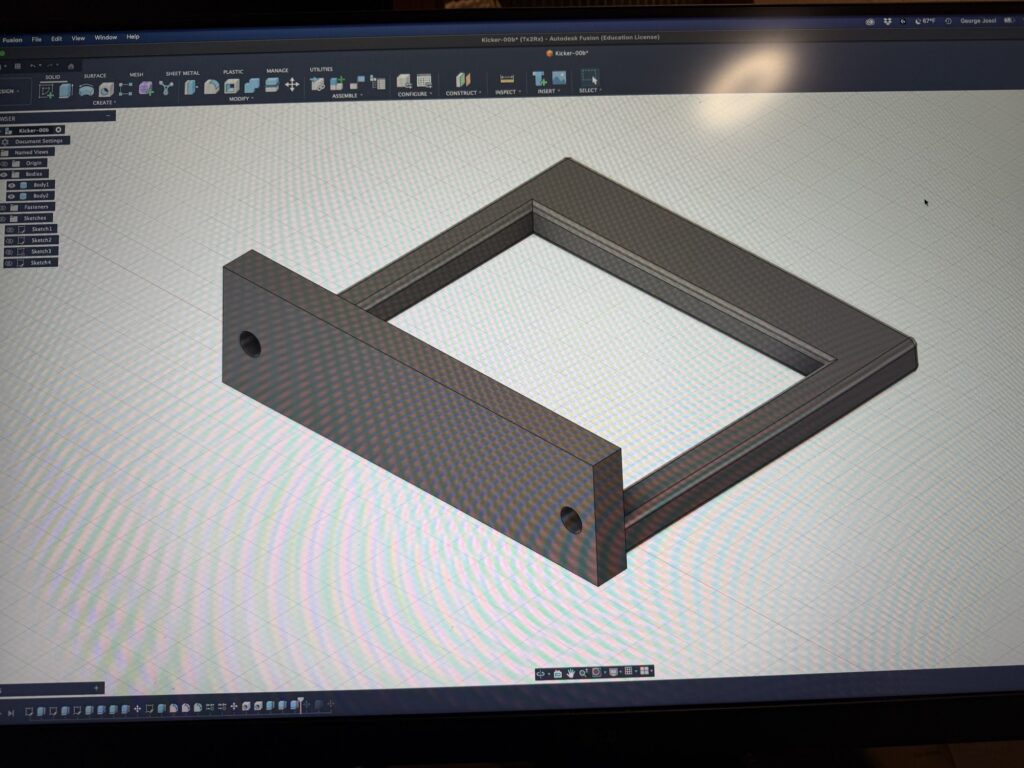
The typical mounting for the Kicker controller would be using 2 knock out switch panel sections. It would slide and lock in place. I definitely wasn’t going to cut a hole in the dash so I had to design a solution.
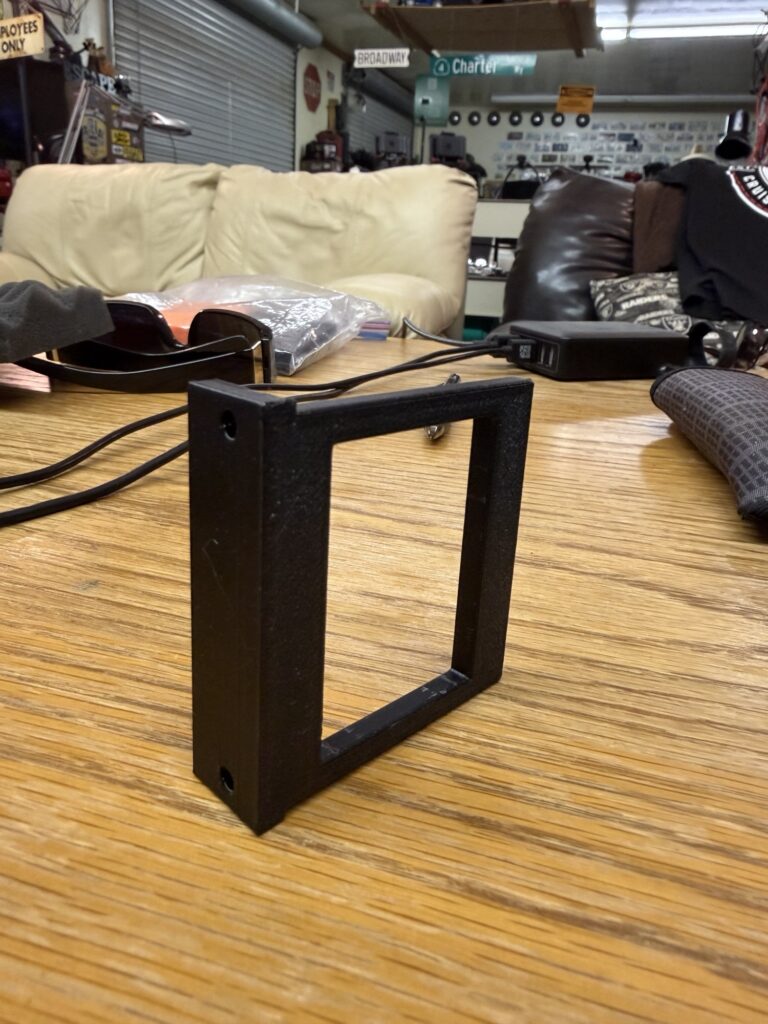
I designed a simple mounting bracket that would house the Kicker controller under the dash. The position is ideal due to the low visibility and convenient reach position.
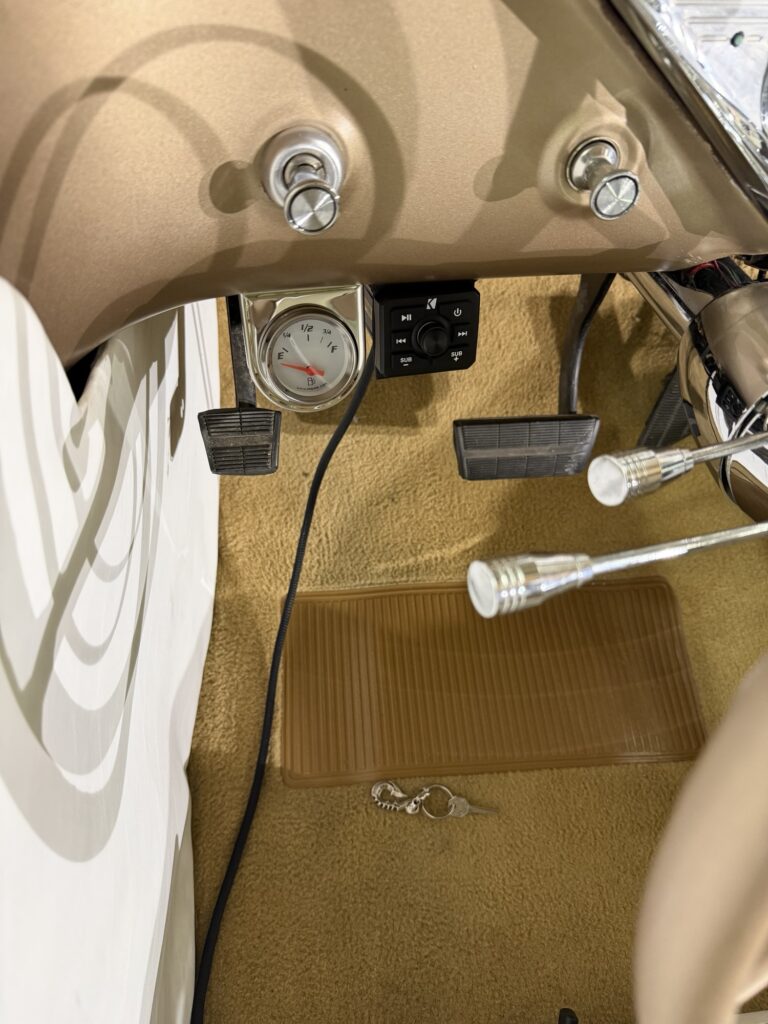
The control has a remote output so you can activate an amplifier when needed. Other features are subwoofer output with separate level control. You can also use auxiliary audio signals if desired.
I still need to work on a secure way for mounting the compact amplifier under the dash.
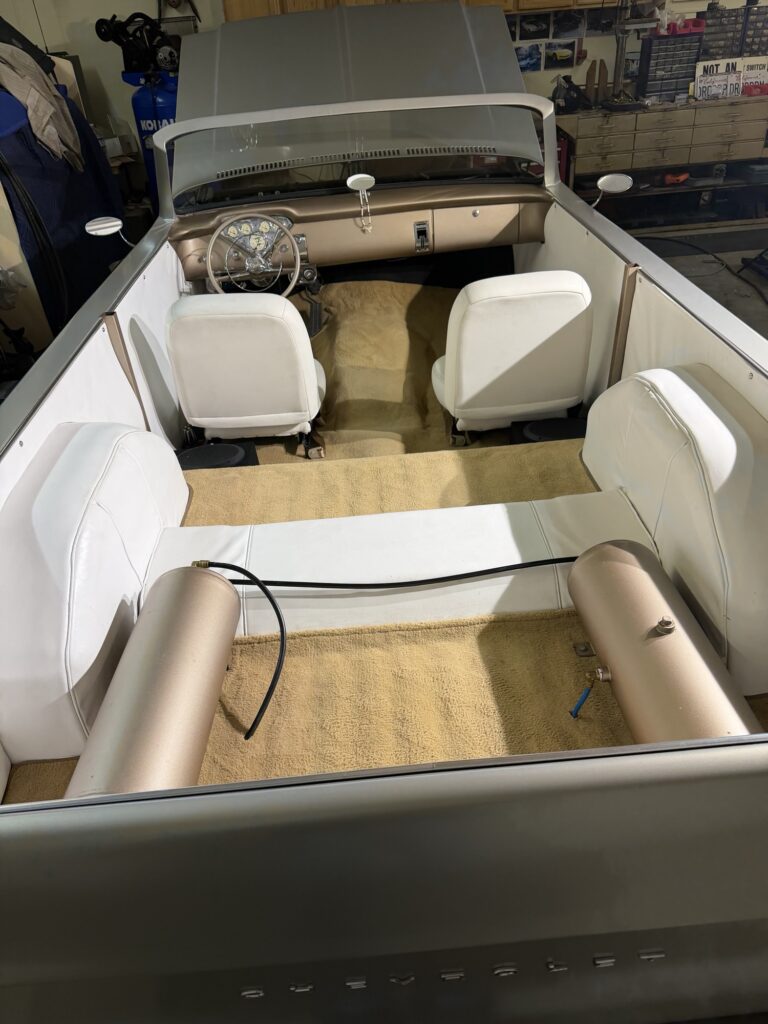
One other mod I want to later is reupholster the speaker boxes with a vinyl wrap that is color matched to the dash board.
What does that all mean? A short response would be “Throttle Body Injection” on a 5.7 liter engine, “Idle Air Control”.
So why did I replace this part? The issue was a high idle at random times and when starting from a cold start the idle would not go down even after operating temperature increased.
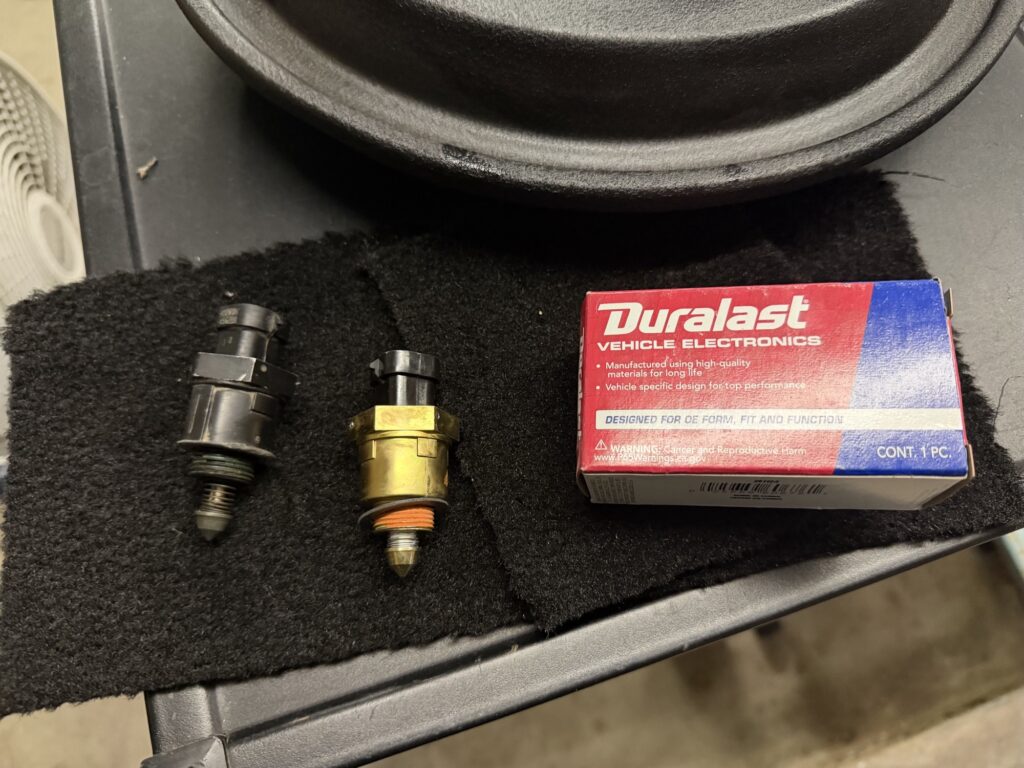
In a normal condition the stepper motor would adjust the pintle movement closer or further away from the air passage valve into the throttle body. This would be dependent on the temperature of the coolant sensor.
The part is key in how air is introduced into the throttle body. This has a direct control over setting the idle.
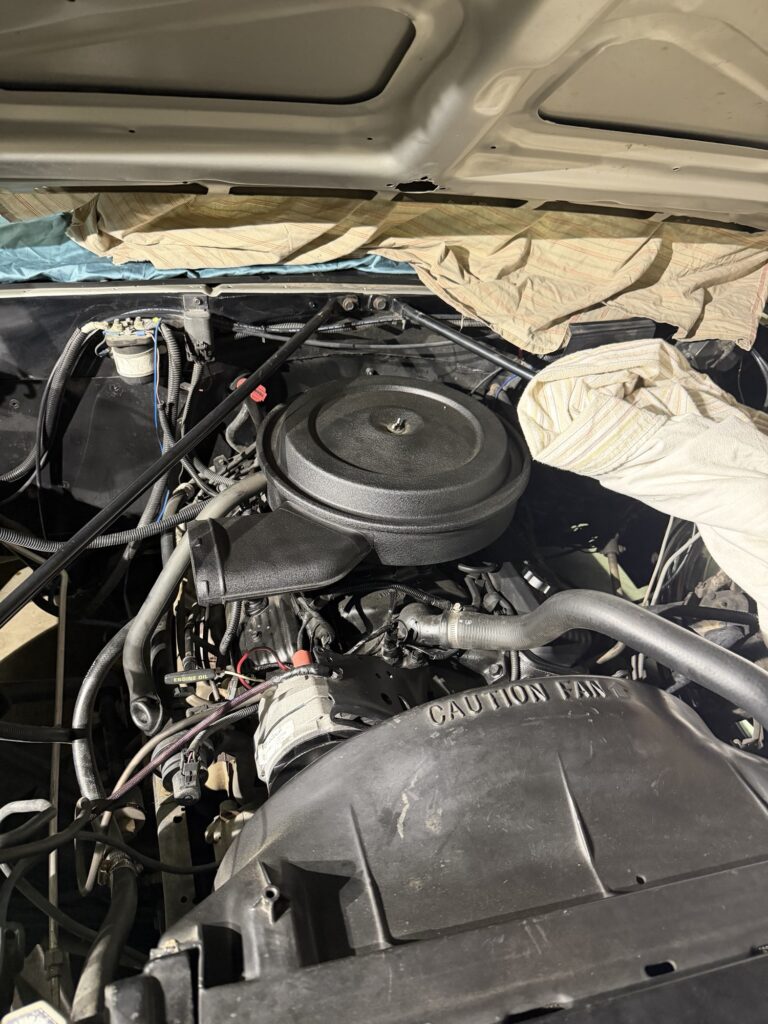
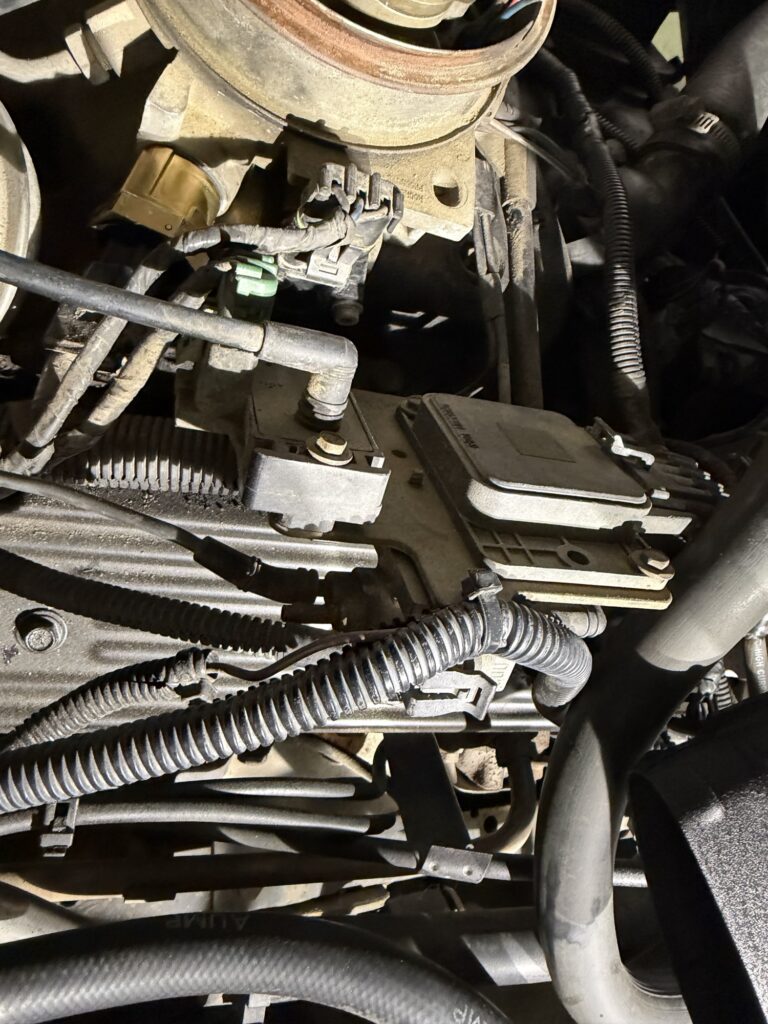
Replacing the actual part is simple. The air filter assembly requires removal to gain access to the throttle body.
The shift lever is very loose in that it can move back and forth a good 4”. This was due to the lever mounting point was missing a factory spring. The spring is a bitch to install and has risk if you don’t follow a few tricks.
The big risk is trying to install the spring into the channel. It seats inside a hole on both sides. There is an opening at the lower side of the channel that goes into the steering column. If the spring oriented the right direction it wall through and into the steering column. The only way you can retrieve the spring is by removing the entire column. That would suck.
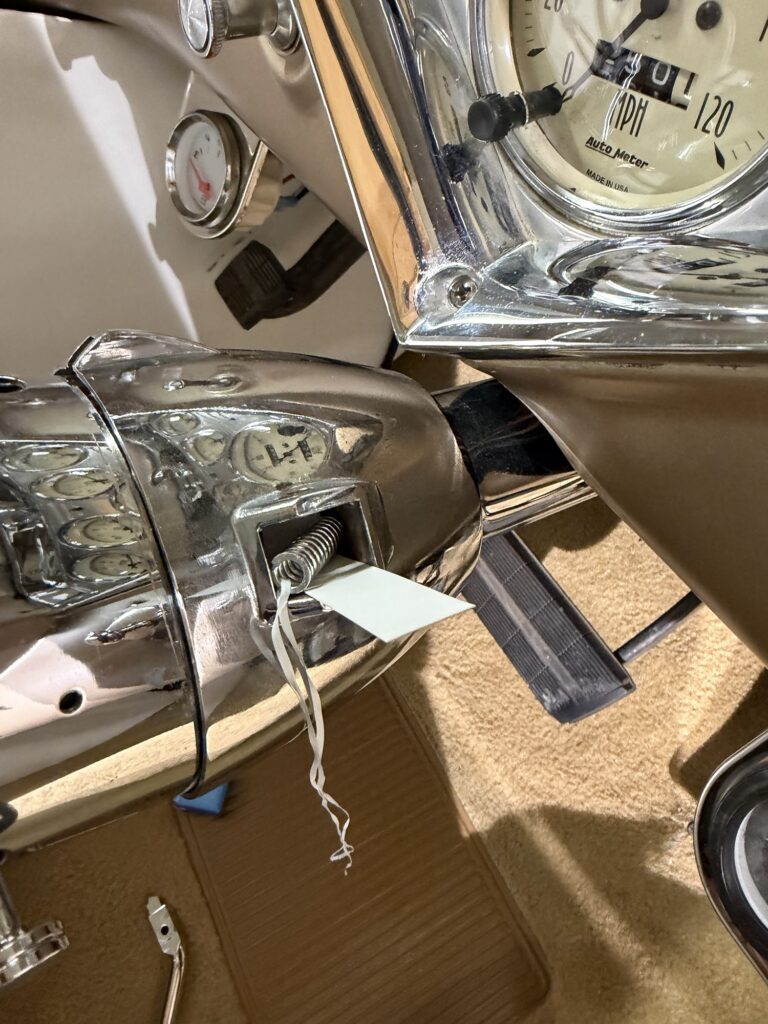
The trick(s) are to use a piece of thin cardboard cut to fit the channel and bent into an “L” shape to cover the channel opening. The other important precaution is to use a thin buss wire tied to the spring so it doesn’t fall in. I found this also served as a way to maneuver the spring around into the proper position.
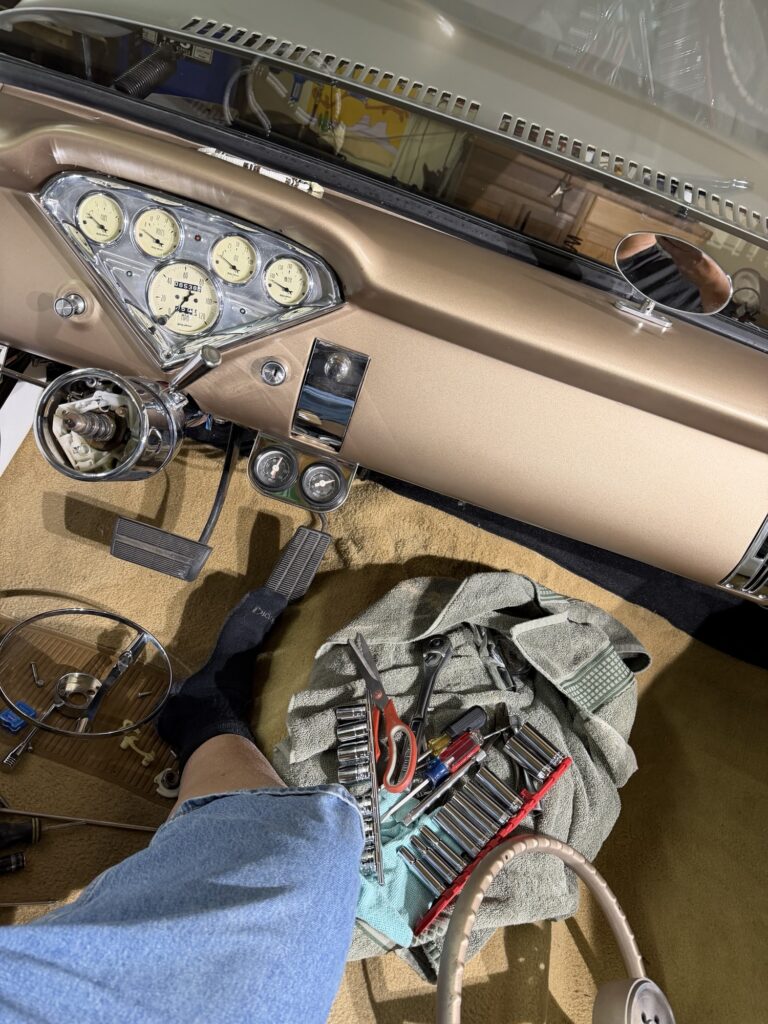
While I was working on the steering column I also corrected the position of the steering wheel when the wheels are in the straight position.
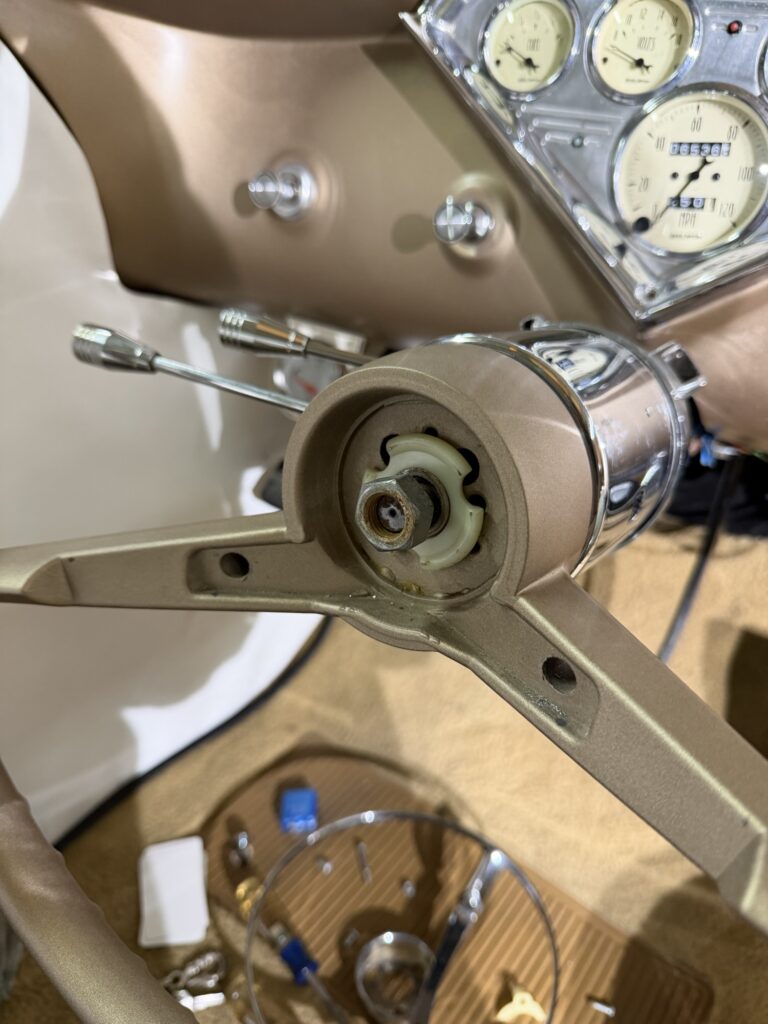
I had a bitch of a time getting the horn ring off to access the center mounting bolt.
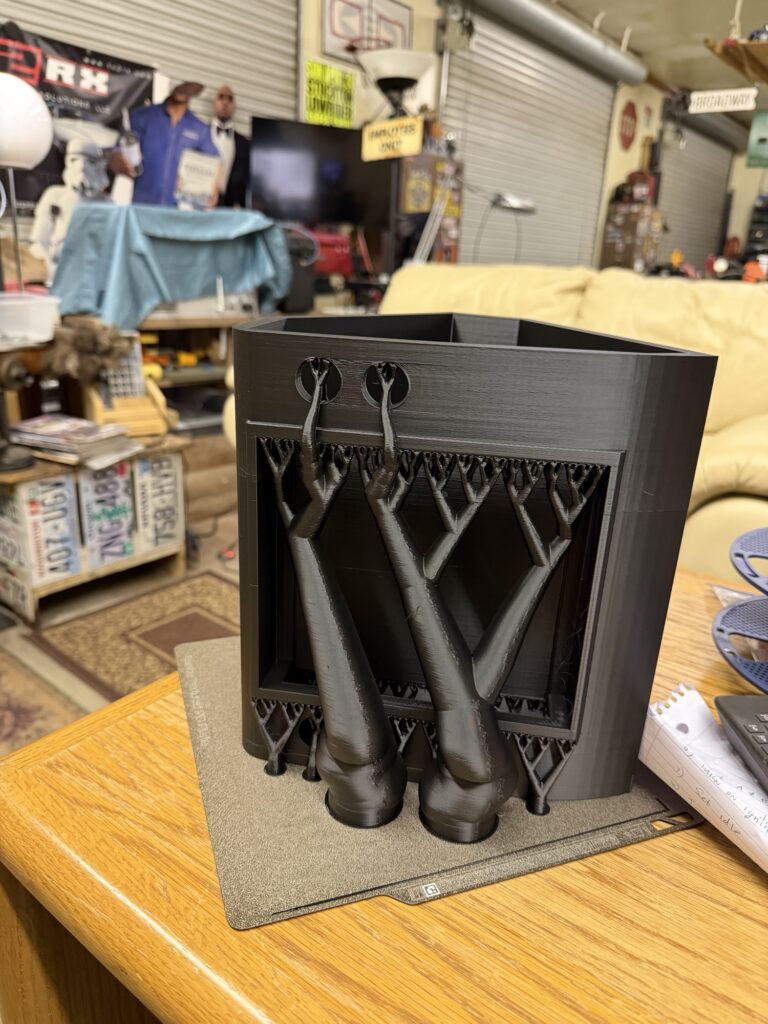
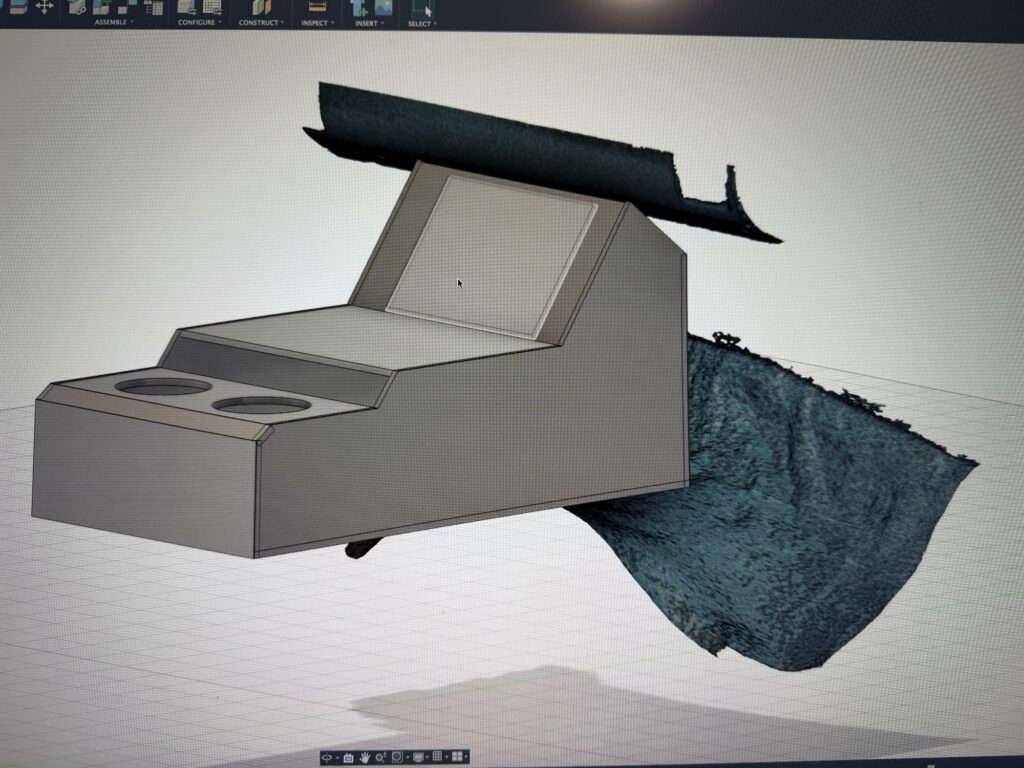
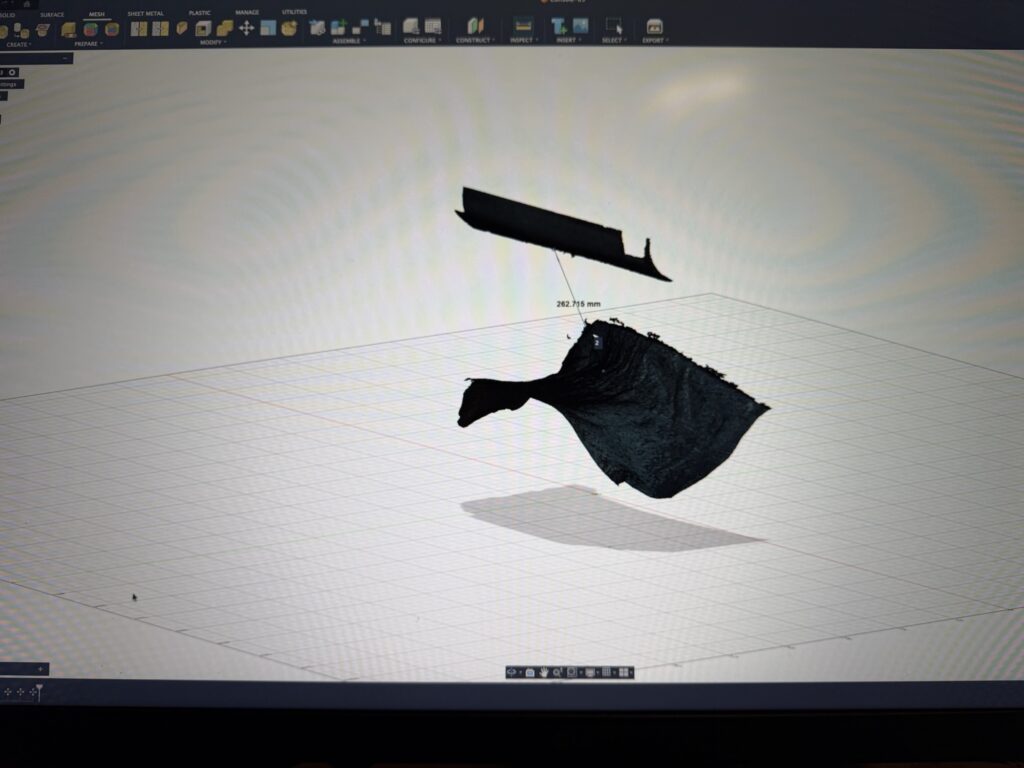
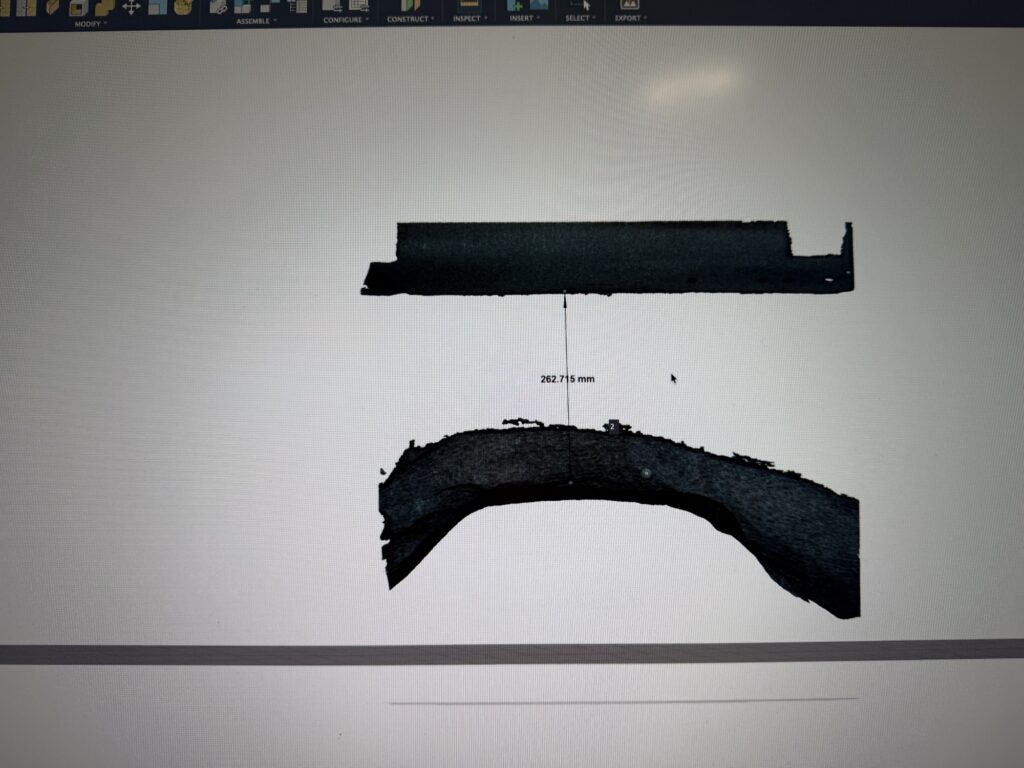
I am at the beginning stages of creating a center console that will be 3D printed into multiple small pieces that is able to fit into my printer build plate.
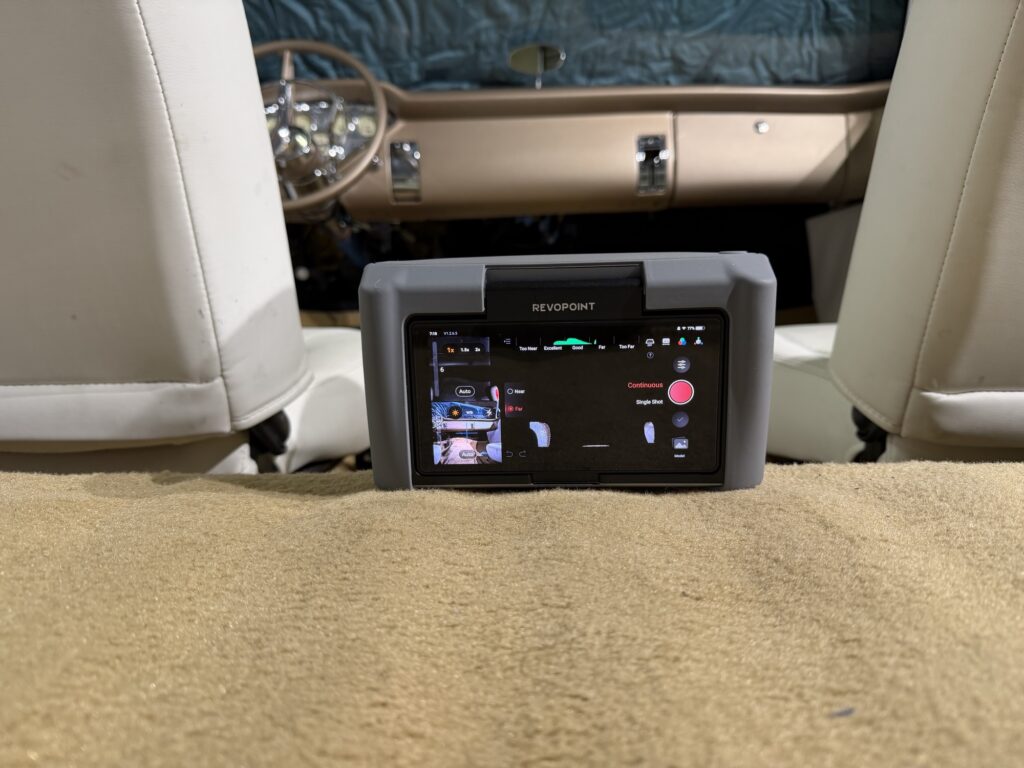
The first step was to free up the center section of distracting parts. I temporarily removed the air pressure gauges and relocated the 7 button AVS controller to the left of the driver seat. This allows me to keep the manual tethered controller but still be able to use my wireless switches.
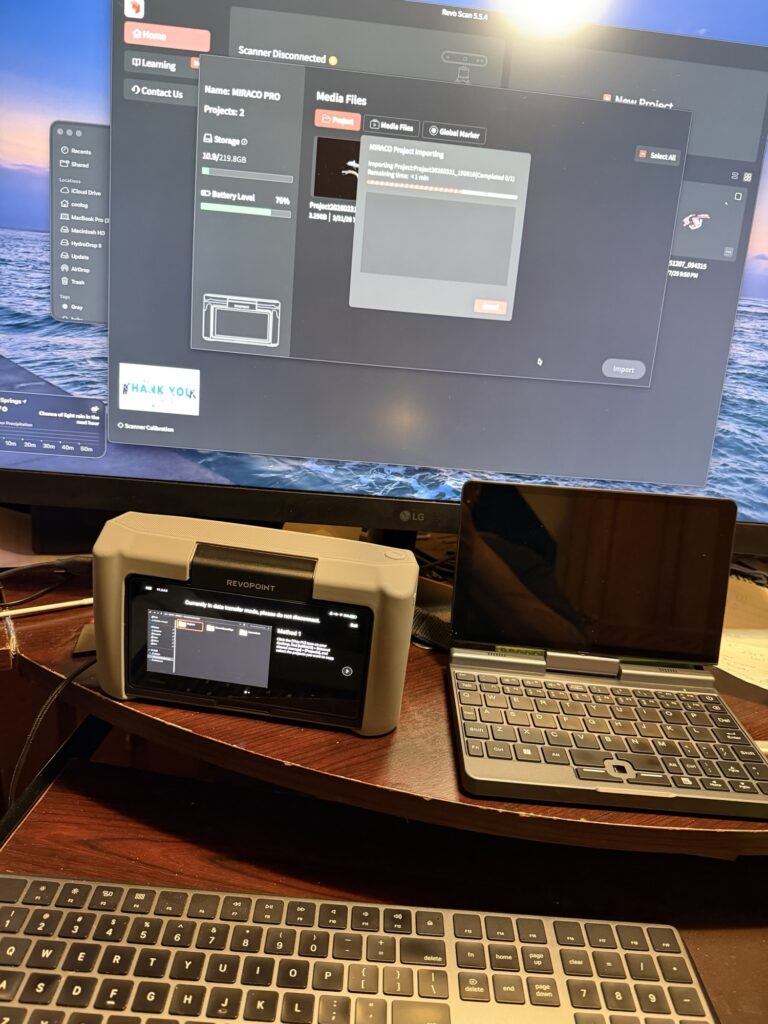
Once the mesh file is created I have a model I can. UIKit around.
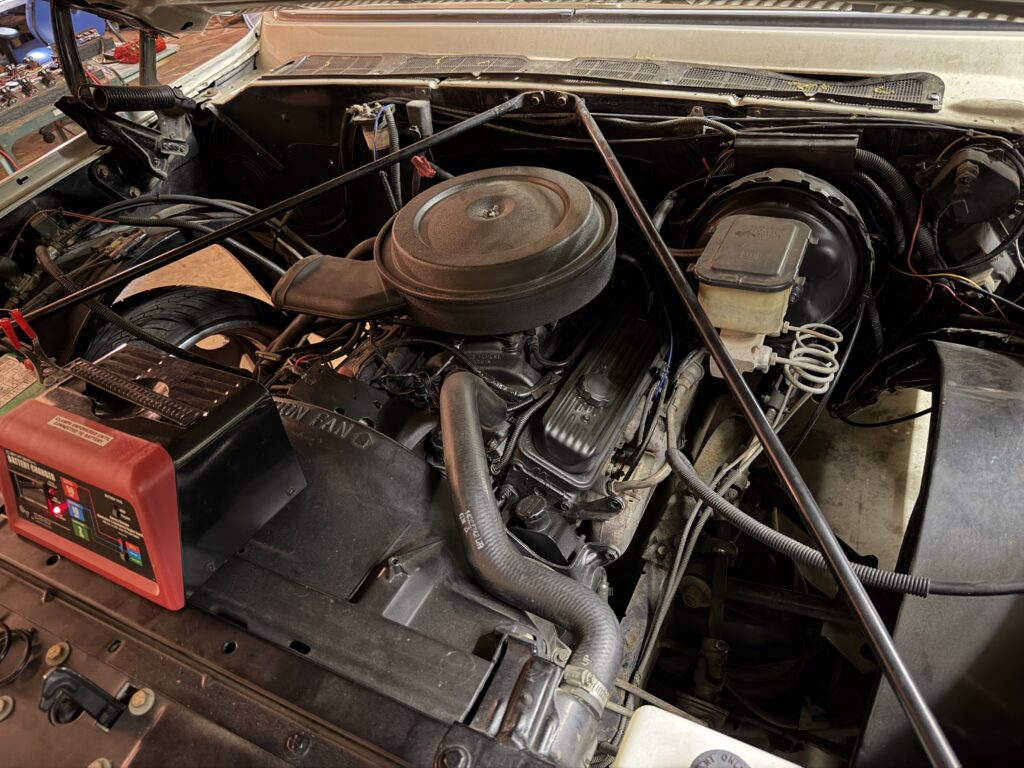
This will be a post for the engine information and work done. As per the previous owner, this a crate 5.7 TBI motor with 40,000 miles.
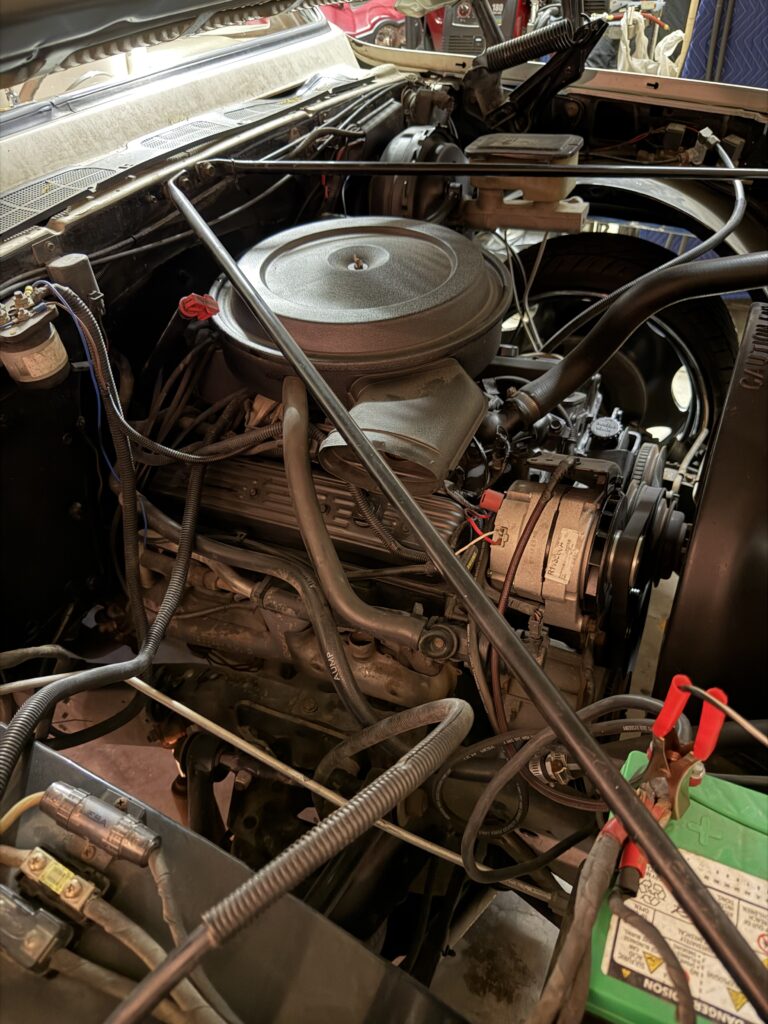
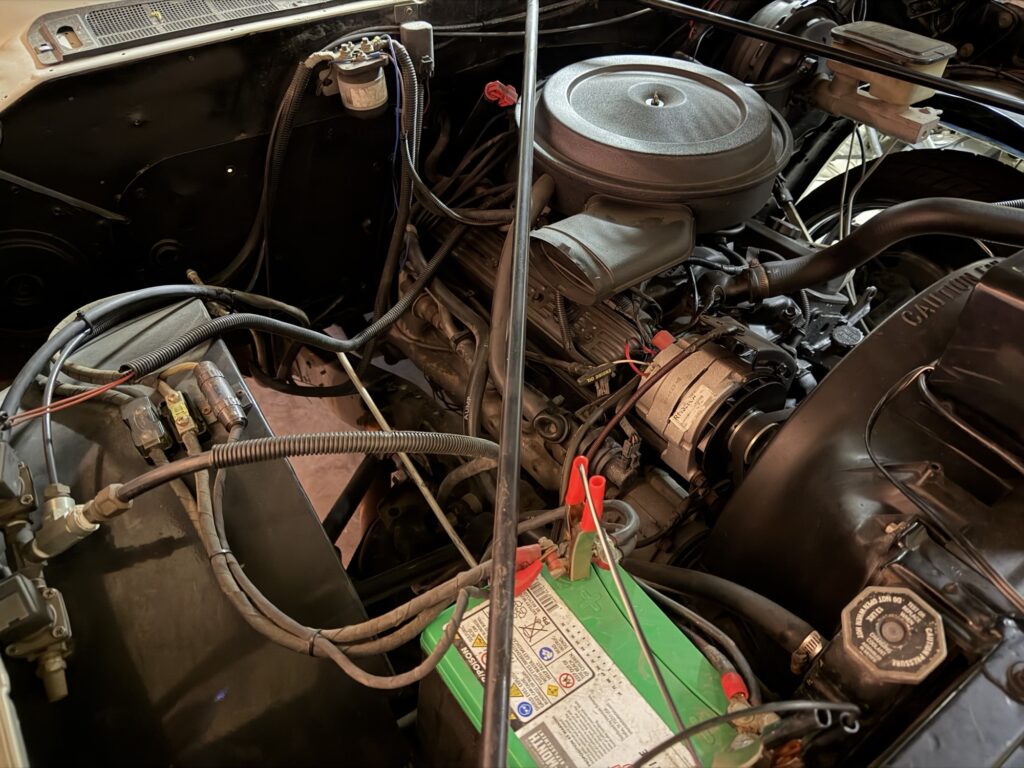
After researching I believe the steering setup is from JEGS, an online parts retailer. I think the shift indicator assembly is missing and had been removed at some point. The kits I see online all have the indicator assembly attached on top of the steering column.
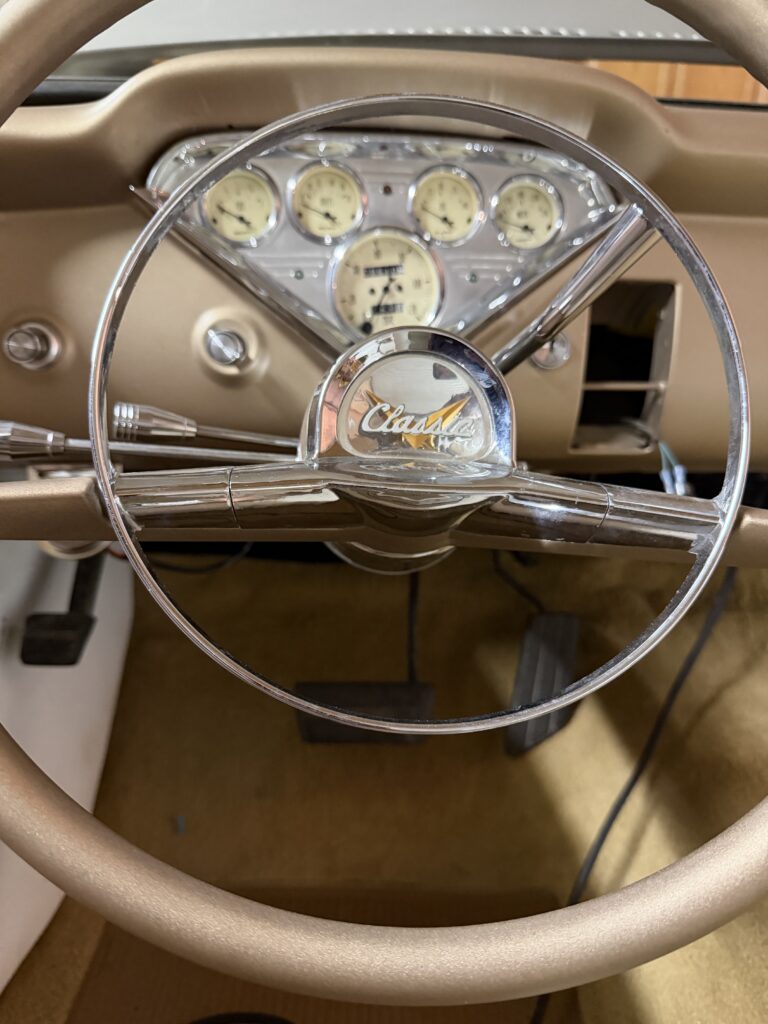
I need to fix the shift lever handle “wobbles” There seems to be a piece missing from the mount. The way it is secured, the handle will move excessively and not shift gears.
EDIT: research shows a spring is installed inside the mount. This provides tension for the shift gear lever. I need to be careful that I don’t let the spring fall inside the column. The suggestion is to a thin cardboard bent like an “L” and use it inside of the mounting hole to block the spring from falling in.
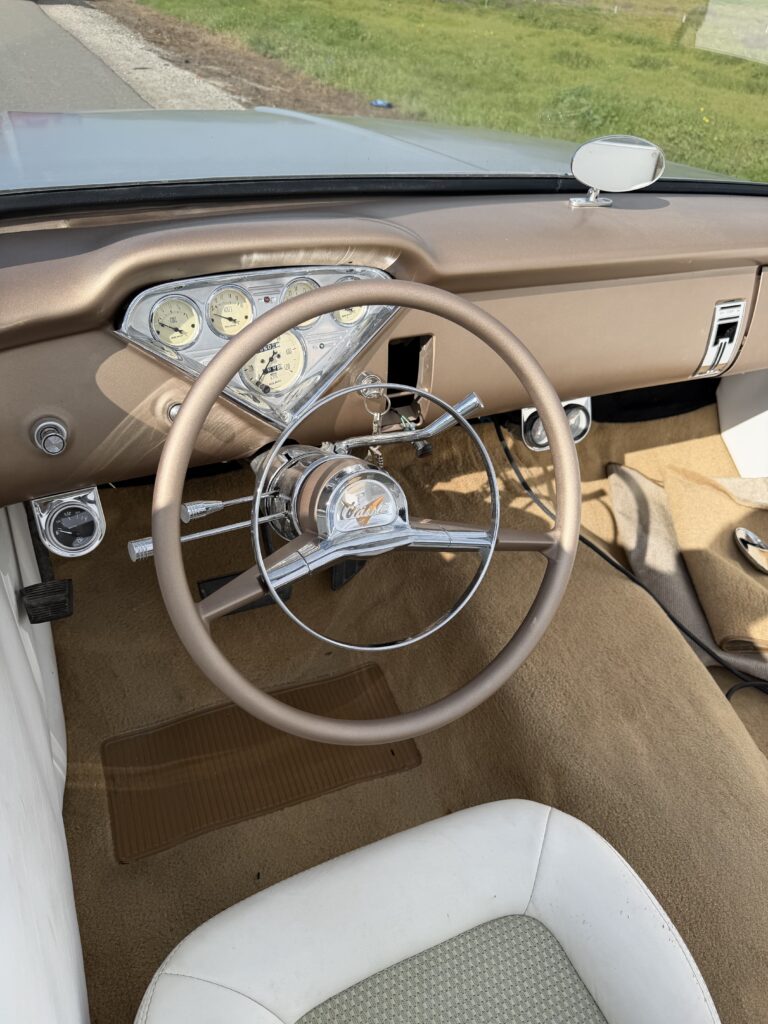
After researching I believe the model installed is manufactured by Speedway Motors. Here is a link to the actual product on their website.
Since the transmission is a 700R4, there should be 7 positions for the gear shifter. These are P, R, N, D, OD, L1 and L2. Additional information –
The Chevy 700R4 (technically the Turbo Hydra-Matic 700R4 or MD8) was introduced by
General Motors in 1982. It was developed as a modern, fuel-efficient replacement for the three-speed Turbo Hydra-Matic 350 (TH350) and was aimed at improving fuel economy across GM’s passenger car and light-duty truck lines.
These are a few AI generated renderings of the Blazer with air brushed trim / moldings.
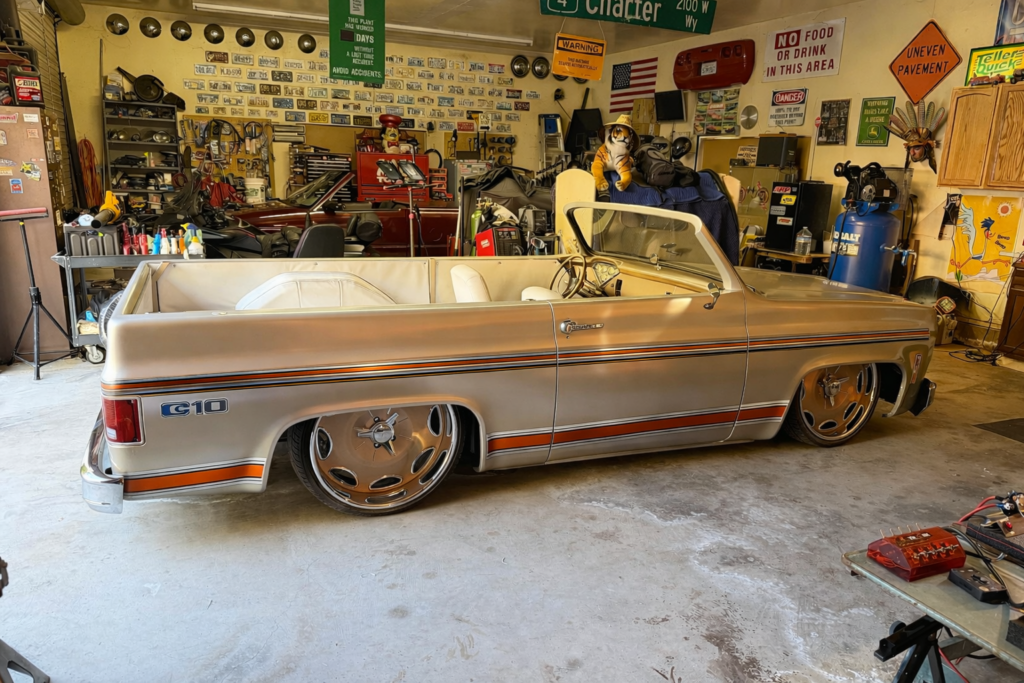
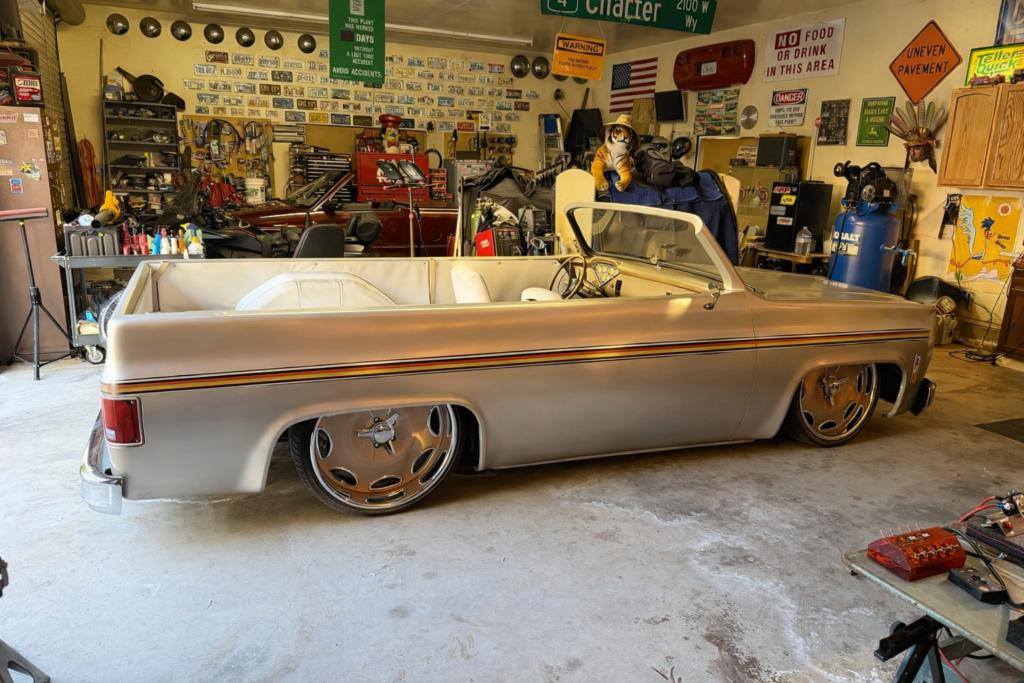
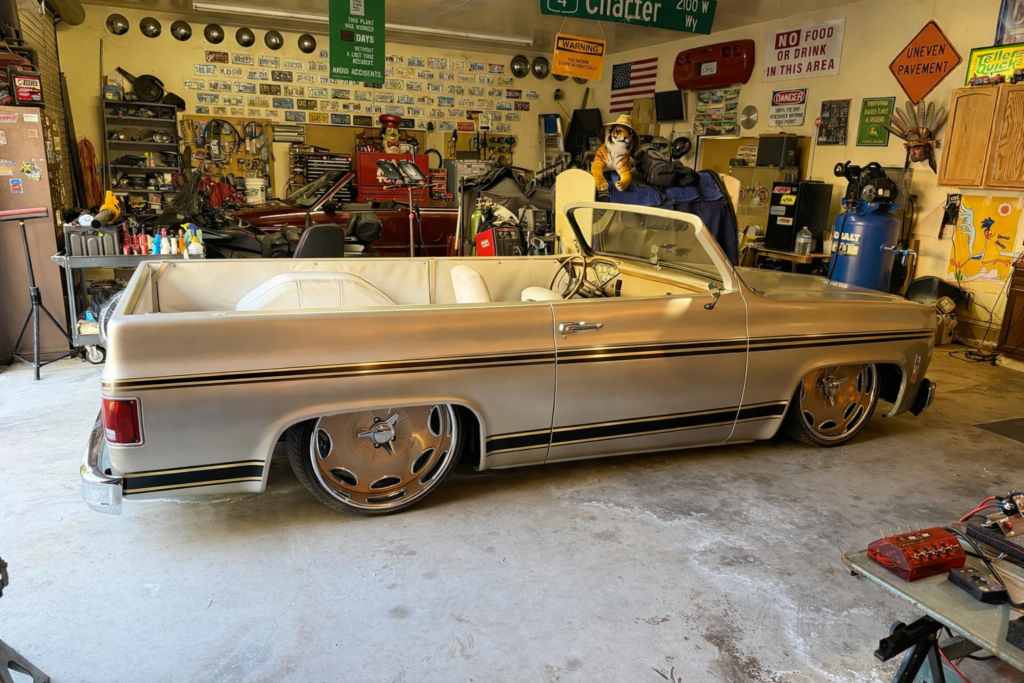
I’m leaning towards no lower trim, just the upper area. I need to redo the render where there is no door gaps. This Blazer is completely shaved.